
Could One Surprising Word Make Your Emails This Easy?
Have you ever sent an email to the small list you have built, then waited for a reply or a click, and heard nothing back at all?
If you have, you are not alone, and it rarely has anything to do with the quality of what you offered. Many of us who came to this later in life worry that we cannot sell, or simply do not want to. Our emails end up polite, careful, and easy to scroll straight past.
There is one surprising word that changes this, and it costs nothing to add. It will not turn you into a salesperson overnight, and it will not ask you to sound clever or pushy. It simply gives your reader a reason to keep reading, which is often the one thing a retirement income email is missing.
The Word That Changed What People Said Yes To
Years ago, a psychologist named Ellen Langer ran a small test at a busy office copy machine. People tried to cut in line and ask to go ahead, and she counted how many strangers agreed.
“May I use the copier?” earned a yes about sixty percent of the time. Add the word because, followed by a real reason, and that number jumped to ninety four percent.
Here is the part worth sitting with, and it is exactly why this one surprising word matters so much. When the reason given was barely a reason at all, something like “because I need to make copies”, which was true of everyone standing in that queue, the yes still held at ninety three percent.
The word itself was doing most of the work, not the reason behind it.
Why One Word Carries So Much Weight
Think back to childhood. You were told to put your coat on because it was cold, or to eat your vegetables because they help you grow.
Over the years, your mind built a simple shortcut. Hear the word because, and a sensible reason is assumed to follow close behind, so you relax and agree before you have even weighed it properly.
A reader who understands why you are asking will almost always decide more kindly than one who is simply told what to do.
Your subscribers do exactly the same thing with your emails. A bare request, such as “click here” or “join today”, hands them a small bit of effort: why should I bother? Answer that question for them, and you have saved them the work of asking it themselves.
Giving The Word Something Real To Stand On
I would not stop at a weak reason, though, even if the research suggests it can work on its own. Your subscriber is not standing at a copy machine with thirty seconds to decide. They are sitting with a cup of tea, deciding whether your email is worth their attention at all.
A hollow reason might earn one click. It will not earn the kind of trust that keeps someone opening your emails for years.
So use the word as the hinge of your sentence, and put something true behind it. If you know your readers worry about technology feeling overwhelming, or about being a burden on their kids, speak to that directly. Do not reach for a generic benefit that could belong to any list in any niche.
Where This Fits Into The Emails You Are Already Sending
You do not need to rewrite your whole approach to use this. I find it most useful in the handful of places where I am truly asking a reader to do something, whether that is opening a link, replying to a question, or simply staying on the list a little longer. I have written a little more about this kind of small, practical change in other articles I have shared recently, if this way of thinking appeals to you.
The pattern itself could not be simpler. Write the ask. Add the word because. Finish with the truest, most specific reason you have.
“Read this today because the offer closes on Friday” only belongs in your email if Friday is a real closing date. “Download the guide because it walks you through the setup one small step at a time” works because it is specific. It also respects the reader enough to tell them exactly what they are getting.
A Few Lines You Could Borrow This Week
Here are three you could reshape for your own audience.
“Open this email because I want to show you a system that works even if you cannot sell or do not want to.” That line speaks directly to a fear many over fifty five readers have quietly carried for years, long before they ever considered building something online.
“Join the list because every week brings one small idea you can use without a single technical skill.”
“Reply to this one because I would like to know what is holding you back, not what is working.”
None of these need a flashy headline or a clever hook. They need an honest reason, placed right beside the request, so your reader meets the ask and the answer in the same breath.
Keeping It Honest As You Use It
There are three small ways this can go wrong, and each one is easy to avoid.
A false deadline costs you more than it earns. If you say an offer closes on Friday, let it close on Friday.
A reason that shames the reader never builds loyalty. An empty reason, repeated too often, starts to sound like a script rather than a person.
Used with care, though, this becomes a habit rather than a trick. Every ask in your writing starts carrying its own small reason. Over time your readers come to expect that you will tell them why, which is a quiet kind of respect that is easy to underestimate.
One Small Change To Try This Week
You do not need to overhaul every email you send. Pick one message already waiting in your drafts, find the line where you ask your reader to do something, and add this one surprising word, because, followed by the truest reason you have.
Send it, then notice what comes back. A reply, a click, or simply a reader who stays on your list a little longer, all count as evidence worth paying attention to.
It is a small habit, built one email at a time, and it costs you nothing but a moment’s thought before you hit send.
Kind regards,
Angus Fraser
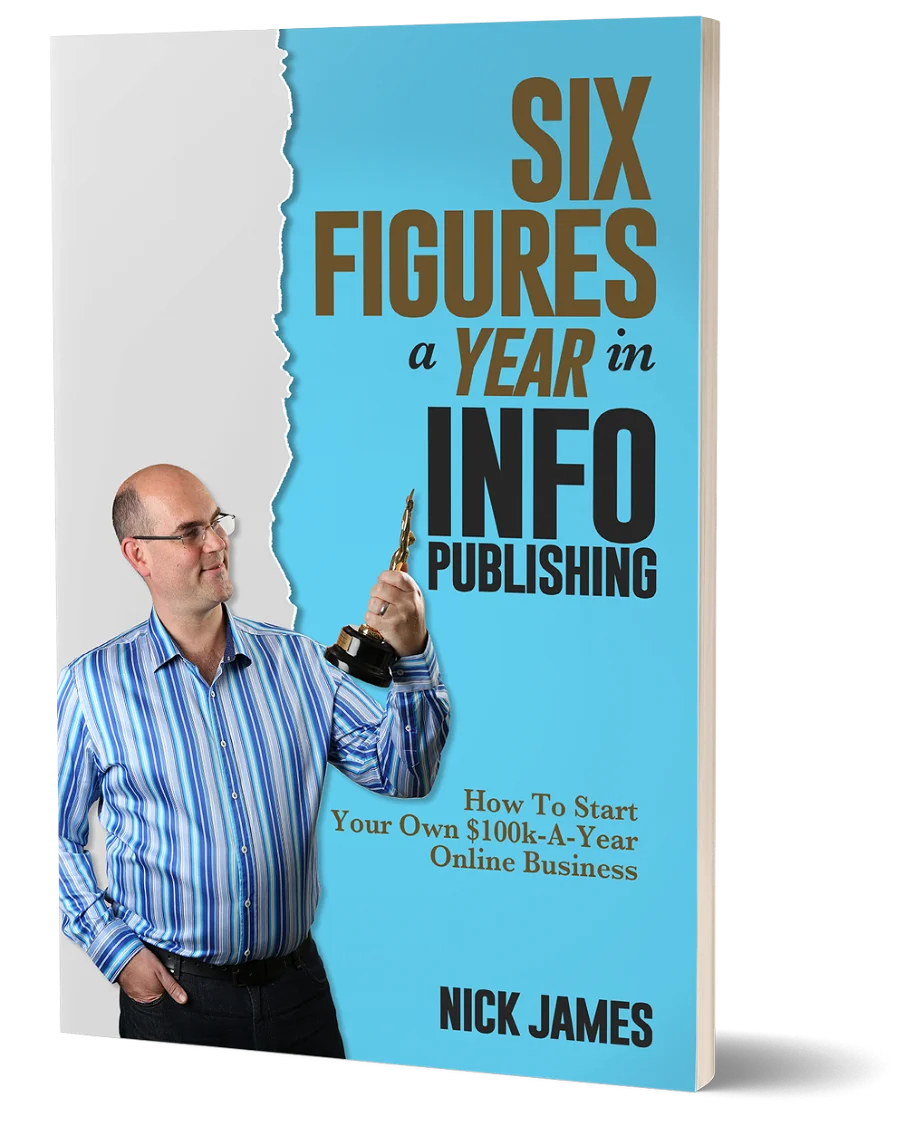
Author offers a FREE copy of this book to his next door neighbor... to prove he's not a drug dealer!
Now claim your FREE COPY.
and follow the step-by-step instructions for making the kind of money (and living the kind of lifestyle) that'll get your neighbors curtains twitching with curiosity!
Enter your details below to discover how to claim your FREE COPY of 'Six Figures A Year In Info Publishing' ...
Privacy Policy : We value your privacy. You can unsubscribe from receiving future emails with 1 click at any time.