
The Hidden Reason AI Content Can Still Earn Real Trust
Most people believe the same thing about AI-generated content. If a machine helped create it, they assume, it can no longer really be trusted, or really be yours.
I understand why. So many of the people I hear from have told me they are afraid of getting scammed or taken advantage of online. AI has made that fear louder rather than quieter, because now it is harder to tell what is real.
But here is what I have come to believe, watching this space closely since joining Nick James’s programme. The presence of AI in something you have written tells you almost nothing about whether it deserves your reader’s trust.
What matters is what you, the actual person behind it, contributed.
Let me show you why that distinction matters more than most people realise. It works in your favour if what you are building is honest.
What “AI-Generated” Fails To Tell You
Picture two people, both using AI to help with an email or an article.
One types a single instruction, copies whatever comes back, and publishes it without changing a word.
The other spends an afternoon working out what they want to say, and tests a story from their own life. Only afterwards do they ask AI to tidy the wording or suggest a better opening line.
Technically, both of them have produced AI-generated content.
But anyone can see those two things are not remotely the same.
The label tells you AI was somewhere in the process. It tells you nothing about how much of the finished piece is truly you. That is your judgement, your experience, your decision about what mattered enough to say.
That distinction is easy to miss, especially when you are already a little nervous about technology in the first place.
The Question Worth Asking Instead
Rather than asking yourself, ‘did I use AI?’, try asking a more useful question: what did I really contribute?
Did you decide what the piece was about? Did you bring a real example, a real result, or a real opinion? Did you check it before it went anywhere near your reader?
If the answer to those is yes, then AI having helped with the typing, the structure, or a stray comma here and there matters little. What matters is whether your reader can trust what they are reading.
What changes everything is whether a real person, with real judgement, stood behind it before it was published.
That is worth saying plainly to your own readers too, especially the ones who most want to know that whatever they subscribe to comes from an actual person. It should never feel like a machine pretending to be one.
What A Difficult Community Taught Me About Being Upfront
I learned something related to this, though in a completely different setting, some years ago.
For several years I paid to belong to a Zoom-based community built around a marketer whose material I had come to value. Then the fees started rising, and they were charged weekly rather than monthly, which made every payment feel heavier than the one before it.
Worse, the group became an uncomfortable place to be honest in.
Raise a concern, or talk about wanting to leave, and you would feel the leader’s disapproval settle over the room.
Eventually I left the paid side of it, and I noticed something afterwards. The members I trusted most, and still follow today, were the ones who had always been plain about what they were offering and why.
A community, or a piece of content, earns trust not by hiding the parts that might raise questions, but by being upfront about them.
The same applies directly to how you talk about AI-generated content with your own readers. Naming it, without embarrassment, does far more for your credibility than pretending every word arrived by candlelight and personal genius.
Building Something Your Readers Can Rely On
This matters more the older your audience is, or the more they have been let down before.
Many of the people who follow content like mine have told me, in one way or another, that they are worried about being taken advantage of online. Trust is the single hardest thing to earn back once it slips.
So say plainly what you did. If AI helped you research a subject, say so. If it helped tidy your grammar but the opinion and the experience are entirely yours, say that too.
Readers do not expect perfection. They expect honesty about where a piece of writing truly came from.
I keep this fairly simple in my own business. Everything I publish, from hosting through to the email that reaches my list, runs through eShowcase.
This at least means I always know exactly what is going out and to whom. That makes it much easier to stand behind every word of it.
If you have been publishing more regularly, it is worth looking back over what you have already written, in other articles I have shared recently. Ask yourself how much of each piece was really you.
Where This Leaves You
None of this means you should avoid AI-generated content, or feel guilty about using it. I use it myself, and so do most of the people I know who are building something online after 55.
It simply means the old question, ‘was AI involved?’, is nearly always the wrong one.
The better question is the one your reader is quietly asking anyway. Is there a real person behind this, who really knows what they are talking about, and who is willing to say so?
Answer that plainly, again and again, and the trust follows.
If you are only just starting to publish your own content, a gentle, no-cost place to begin is Six Figures A Year In Information Publishing.
It walks through building an information-based income around what you already know. The pace suits someone starting from nothing rather than someone chasing overnight results.
Whatever stage you are at with this, know that the honesty matters more than the polish. A reader can always tell the difference between something real and something merely finished.
Kind regards,
Angus
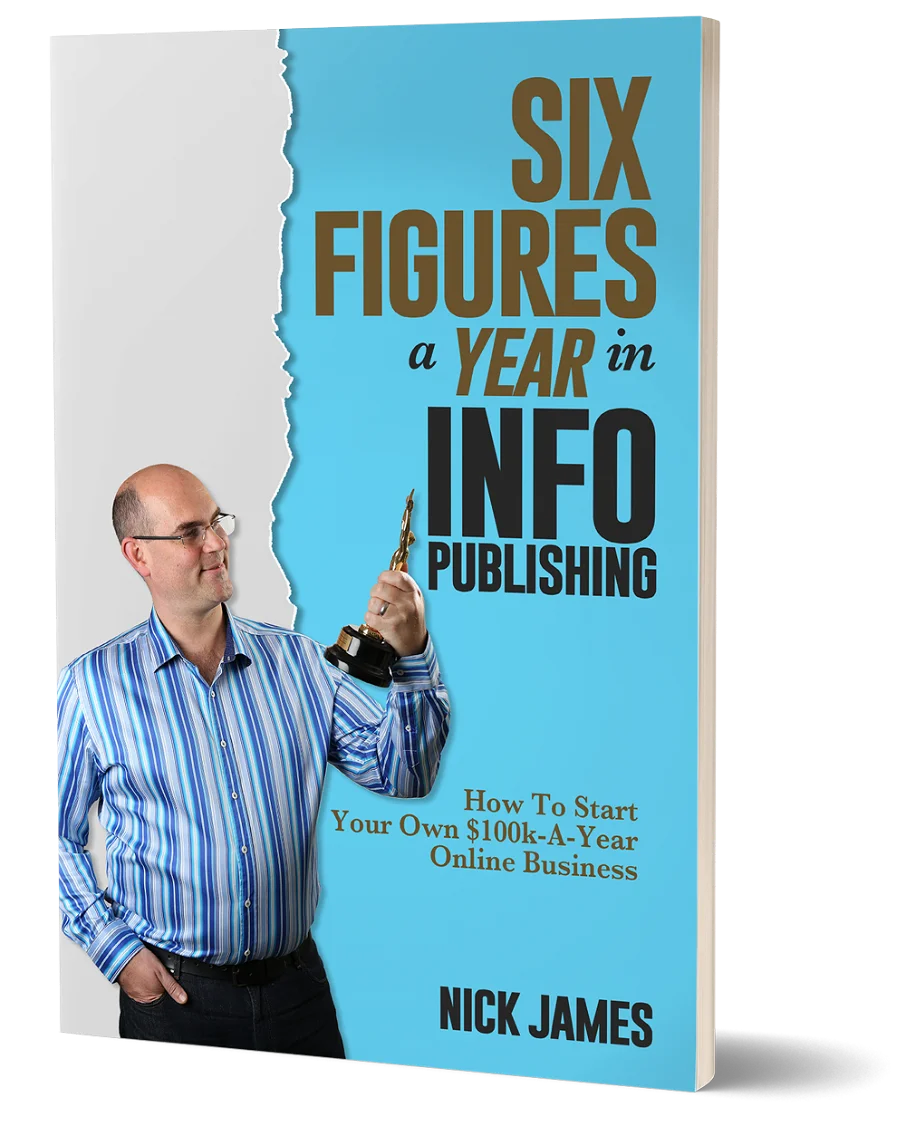
Author offers a FREE copy of this book to his next door neighbor... to prove he's not a drug dealer!
Now claim your FREE COPY.
and follow the step-by-step instructions for making the kind of money (and living the kind of lifestyle) that'll get your neighbors curtains twitching with curiosity!
Enter your details below to discover how to claim your FREE COPY of 'Six Figures A Year In Info Publishing' ...
Privacy Policy : We value your privacy. You can unsubscribe from receiving future emails with 1 click at any time.